The 10 Tile Mistakes That Cost Homeowners the Most
Aug 1st 2026
The 10 Tile Mistakes That Cost Homeowners the Most
The biggest tile regrets usually aren't about choosing the wrong color. They're the result of small decisions made before installation even begins.
After helping homeowners, designers, contractors, and architects with thousands of tile projects, we've noticed the same mistakes come up again and again. The good news? Every one of them is preventable.
Whether you're remodeling a bathroom, designing a new kitchen, or building your dream home, here's what we recommend thinking about before you place your order.
1. Ordering Tile Before You Have a Layout Plan
Many homeowners spend weeks deciding which tile to buy before thinking about how it will actually be installed.
The layout has a huge impact on how much material you'll need, where cuts will fall, and how polished the finished project looks.
Before ordering, take time to think through questions like:
-
Where will the tile start and end?
-
Will it be stacked, offset, herringbone, or another pattern?
-
What grout joint will be used?
-
Will trim pieces or transition profiles be needed?
-
How will the tile meet the flooring in the next room?
Planning these details before you order can save time, money, and frustration—and often results in a much more intentional-looking installation.
2. Ordering Exactly the Square Footage You Need
This is probably the most common—and most expensive—mistake we see.
If your room measures 200 square feet, don't order exactly 200 square feet of tile.
Every installation requires extra material for cuts, waste, breakage, future repairs, and sometimes pattern matching. But here's what many homeowners don't realize:
There Is No Universal Waste Percentage
The amount of extra tile you need depends entirely on the installation plan.
A simple straight lay in a rectangular room is very different from a large-format tile installed on a diagonal through multiple rooms with closets, doorways, niches, and detailed cuts.
That's why planning your layout before ordering is so important.
As a General Guide
-
Straight lay in a simple space: Around 10% extra
-
Offset patterns or rooms with moderate cuts: 15–20% extra
-
Complex layouts, diagonal installations, or some large-format projects: We've seen installations require as much as 30% extra material.
That doesn't mean every large-format project needs 30% waste—it simply highlights why a one-size-fits-all rule doesn't work.
The installer, layout, tile size, room shape, and installation pattern all play a role.
One more thing to keep in mind: porcelain tile is manufactured in production runs, often referred to as dye lots. While manufacturers strive for consistency, slight variations in shade and tone between runs are normal. If you run short and need to order more months later, there's no guarantee the new material will be an exact match.
A few extra boxes may feel like an unnecessary expense today, but they're far less expensive than delaying a project—or worse, trying to blend material from a different production run.
? Brick City Tip
Before placing your order, ask your installer how they plan to lay the tile. A straight lay, diagonal layout, herringbone pattern, or large-format installation can all require different amounts of material. Knowing the layout first can save both money and frustration later.
3. Assuming Every Tile in a Collection Looks Identical
A single sample tells you a lot—but it doesn't tell you everything.
Many modern porcelain collections are intentionally designed with multiple faces to recreate the natural variation found in marble, limestone, wood, and other materials.
That's exactly what makes them look realistic once installed.
Instead of asking,
"Do I like this sample?"
Ask,
"What will this look like across an entire room?"
Whenever possible:
-
View multiple pieces.
-
Look at room scenes.
-
Ask about shade variation.
-
Request additional photos if you're shopping online.
The more context you have, the more confident you'll feel in your decision.
If you're shopping for products that replicate natural materials, exploring our Marble Look Tile, Stone Look Tile, and Wood Look Tile collections can give you a better sense of the beautiful variation available across different styles.
4. Treating Grout Like an Afterthought
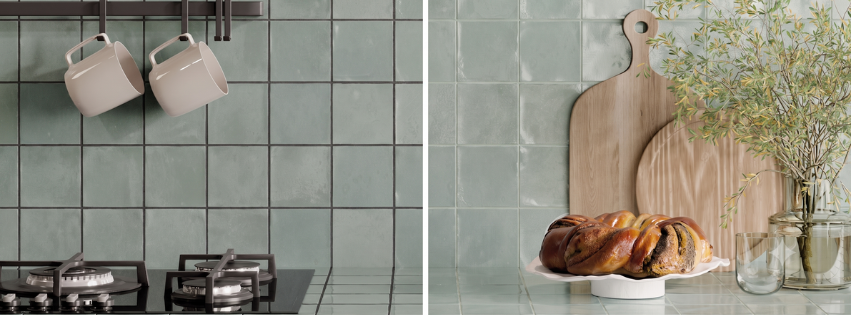
Grout doesn't just fill the joints.
It changes the entire appearance of the installation.
A grout color that closely matches the tile creates a softer, more seamless look.
A contrasting grout emphasizes every tile and highlights the installation pattern.
Neither approach is right or wrong—they simply create different aesthetics.
We always recommend selecting your grout color before installation begins, not while your installer is waiting for an answer.
5. Choosing the Wrong Finish for the Space
The best-looking tile isn't always the best-performing tile.
A polished porcelain may be perfect for a feature wall but not the ideal choice for a shower floor.
Likewise, a heavily textured outdoor tile may not create the clean, contemporary look you're after in a modern kitchen.
When choosing tile, think beyond color and pattern.
Ask yourself:
-
Will this area get wet?
-
Is it a high-traffic space?
-
Will kids or pets be using it?
-
How much maintenance am I comfortable with?
The right tile balances beauty with functionality.
Whether you're shopping for a bathroom, kitchen, fireplace, or outdoor living area, choosing products designed for the application will help ensure your project looks great and performs well for years to come.
6. Not Understanding Rectified Tile
"Rectified" is one of those industry terms you'll see often—but many homeowners aren't sure what it means.
Rectified tile has been mechanically finished after firing so each piece is extremely consistent in size.
That precision allows for smaller grout joints and a cleaner, more contemporary appearance.
But it also means installation becomes even more important.
A flat substrate, proper mortar coverage, and experienced installation all contribute to the final result.
Understanding the product you're buying helps set realistic expectations—and leads to a better installation.
7. Hiring an Installer Who Doesn't Regularly Work With Large-Format Tile
Installing a traditional subway tile backsplash is very different from installing a 24" × 48" porcelain tile.
Large-format tile often requires:
-
Specialized handling
-
Proper mortar coverage
-
Flat substrates
-
Tile leveling systems
-
Careful layout planning
Even premium tile won't look its best if it isn't installed correctly.
If you're investing in quality materials, make sure your installer has experience with the type and size of tile you've selected.
If you're considering larger sizes, browse our Large Format Tile Collection to explore some of today's most popular styles.
8. Choosing Based on Price Alone
Everyone has a budget.
But the least expensive tile isn't always the best value.
When comparing products, think beyond the price per square foot.
Consider:
-
Overall design
-
Long-term durability
-
Ease of maintenance
-
Availability of coordinating trim and mosaics
-
Manufacturer quality
-
Product availability
Tile is one of the most permanent finishes in your home.
Choosing a product you'll still love years from now is usually a better investment than saving a few dollars today.
9. Waiting Until the Last Minute to Order
Tile isn't always sitting on a shelf waiting to ship.
Some collections are stocked domestically.
Others arrive from overseas or may require additional lead time.
If your installer is scheduled to begin next week, it's probably too late to start shopping.
Ordering early gives you more choices, reduces the chance of delays, and leaves time to order additional material if needed.
A little extra planning can keep an entire renovation on schedule.
10. Not Asking Questions
This might be the simplest advice in this article—but it's also the most important.
No two tile projects are exactly alike.
Questions about grout joints, slip resistance, trim pieces, dye lots, installation methods, lead times, maintenance, or layout are completely normal.
The more information you have before placing your order, the smoother your project will be.
We've always believed that informed customers make better decisions—and enjoy their finished spaces a whole lot more.
Final Thoughts
Most tile mistakes don't happen because someone picked the wrong tile.
They happen because important details weren't discussed early enough.
Taking a little extra time to plan your layout, understand the product, order the right amount of material, and ask questions before you buy can save significant time, money, and frustration later.
At Brick City Tile, that's exactly what we're here to help with.
Whether you're renovating a powder room or building your forever home, we'd rather help you get it right the first time.
Ready to start exploring? Browse our collections, order samples, or contact our team if you'd like help choosing the right tile for your project.
Frequently Asked Questions
How much extra tile should I order?
There isn't a universal answer. A simple straight lay may only require around 10% extra, while more complex layouts—or certain large-format installations—may require 20–30% extra material. Your installer and layout should determine the appropriate amount.
Why doesn't my sample look like the photos online?
Many porcelain collections include multiple unique faces and intentional shade variation to replicate natural materials. A single sample often represents just one piece within the collection.
What is a dye lot?
A dye lot (or production run) refers to a batch of tile manufactured together. Small variations between production runs are normal, which is why ordering enough material upfront is so important.
Is rectified tile better?
Not necessarily. Rectified tile offers a cleaner, more contemporary appearance with tighter grout joints, but it also requires more precise installation and a flatter substrate.
Should I order tile samples?
Absolutely. Samples are one of the best ways to evaluate color, finish, and texture in your home's lighting before placing a full order. Just remember that one sample may not show all the variation within a collection.